
CARE-FOCUSED LANGUAGE EDUCATION
What is this program about?
The Master of Arts in Care-Focused Language Education prepares you to support learners who have experienced dislocation, trauma, or interrupted education.
This unique graduate program combines 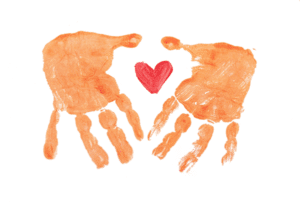 language teaching, trauma-informed education, and care-focused teaching practices. You will gain the knowledge and practical skills to create safe, welcoming, and effective learning environments where your language learners feel supported and build confidence.
Art-based
Trauma-informed
Learner-focused
Program Description
The Master of Arts in Care-Focused Language Education is a 36-credit graduate program. It’s “laddered,” meaning you complete it in three stages:
- Two 15-credit graduate certificates:
– Certificate in Care-Focused Language Teaching
– Certificate in Care-Focused Education - One 6-credit Capstone Research Project
The program is designed for teachers, school staff, administrators, and future educators who work with people affected by trauma, interrupted schooling or other challenging circumstances.
Study While You Work
 This program uses a competency-based learning model. Instead of following a fixed schedule, you move forward by showing that you have mastered each learning outcome.
You can continue working in your own professional setting while completing your studies. An academic mentor and a workplace mentor will support you throughout the program and they will help you apply your learning in real classrooms and community settings, so you can use new skills right away.
What You Will Learn
The program includes courses in:
- Second language acquisition
- Practical language teaching methods
- Trauma-informed education
- Cross-cultural communication
- Leadership in challenging situations
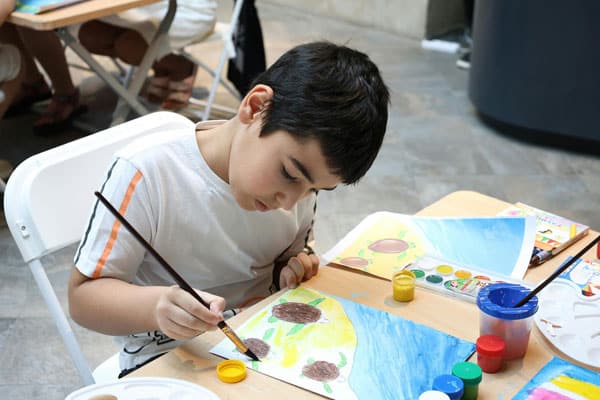
- Arts-based approaches for healing and learning
Program Structure
The program has three parts.
1. Certificate in Care-Focused Language Teaching (15 credits)
- Learning Additional Language in Crisis Contexts
- Teaching Grammar, Vocabulary and Pronunciation in Context
- Language and Psychological Trauma
- Ways and Resources in Teaching and Learning
- Observing and Teaching Practicum with an Arts-based Curriculum
2. Certificate in Care-Focused Education (15 credit)
- Cross-Cultural Communication
- Conflict, Crisis, Hospitality and Peacebuilding
- Psychological Trauma and Resilience in Educational Settings
- Arts for Learning and Healing 1: Caring for the Learners
- Arts for Learning and Healing 2: Caring for the Caregiver
3. Capstone Research Project (6 credits)
- Thesis/Project that integrates insights and skills gained in parts 1 & 2 of the program OR
- 6 credit hours of elective courses (e.g. Theology of Migration and Hospitality)
Admissions
Entrance requirements:
- Applicants typically hold an undergraduate degree in any discipline.
- Mature students (30+) who do not have an undergraduate degree may also be considered for admission. These students will have the opportunity to demonstrate graduate-level capabilities during their initial studies.
Throughout the program, graduate writing support and mentoring are available to help you develop your academic skills and succeed in your studies.
Tuition
The tuition is $400/month and can be paid monthly or on a prearranged schedule.

Artwork by program co-founder, Dr. Elfrieda Lepp-Kaethler.
Frequently Asked Questions
1. Who should take this program?
This program is designed for professionals serving learners and communities affected by displacement, trauma, and cultural transition. It is a good fit if you’re teaching language, supporting learners in other ways, or leading a school or program in a crisis or displacement setting.
2. Who is Certificate 1 in Care-Focused Language Teaching for?
- TESOL and ESL/EFL teachers
- Language program leaders and trainers
- Educators working with refugees, immigrants, and multilingual learners
3. Who is Certificate 2 in Care-Focused Education for?
- K–12 and higher education teachers
- Healthcare and mental health professionals
- Settlement and immigrant service agencies
- Christian outreach and mission organizations
- Community and non-profit leaders working with vulnerable populations
4. How long does the program take?
Most students can complete the program in about 24 months. Each certificate takes 10–12 months, and the final Capstone Project takes 4–6 months. Because the program is self-paced, some students may finish sooner or take longer.
5. What is competency-based learning?
Instead of following a fixed semester schedule, you progress by showing that you’ve mastered specific skills and outcomes. This means you can move faster through material you already know and take more time where you need additional practice.
Click here to learn more about this learning module.
6. What is a "mentor," and how do they help?
A mentor is someone who supports you and helps you make progress throughout the program. You’ll have two mentors:
- An academic mentor helps you with your coursework.
- A contextual mentor helps you apply what you learn at your job.
7. Can I continue working while I study?
Yes. The program is designed so you can continue working while you study. You’ll apply what you’re learning directly in your own classroom or community, with support from an academic mentor and a contextual mentor.
QUESTIONS?

In partnership with Teach Beyond